Introduce name days as one way some people and communities connect names with dates, then invite students to compare how different families mark meaningful days. Keep the activity educational and optional: no student should have to provide a date, explain a religion, or celebrate in order to take part.
That approach gives teachers something more useful than a list of international holidays. It makes room for calendars, family choices and unfamiliar names without turning a child into the classroom expert on an entire culture.
Before the activity: frame the question
Name days are not assigned by one worldwide calendar. Some lists connect names to civil dates; some religious communities mark a patron saint or feast; families may also follow a particular spelling, date or custom. A name absent from one calendar is not a mistake or a reason to leave a student out.
Set the purpose in one sentence: “Today we are learning that families connect names and special days in different ways.” Avoid asking students to confirm who has a name day on a particular date. The class can explore the idea without recording each child’s personal observances.
If a student volunteers a family example, thank them for sharing it as their family’s experience. Do not ask them to speak for a whole country, faith or language group. The same principle applies to pronunciation: ask people how they say their own names, and let them decline to explain more.
A short activity: names, calendars and choices
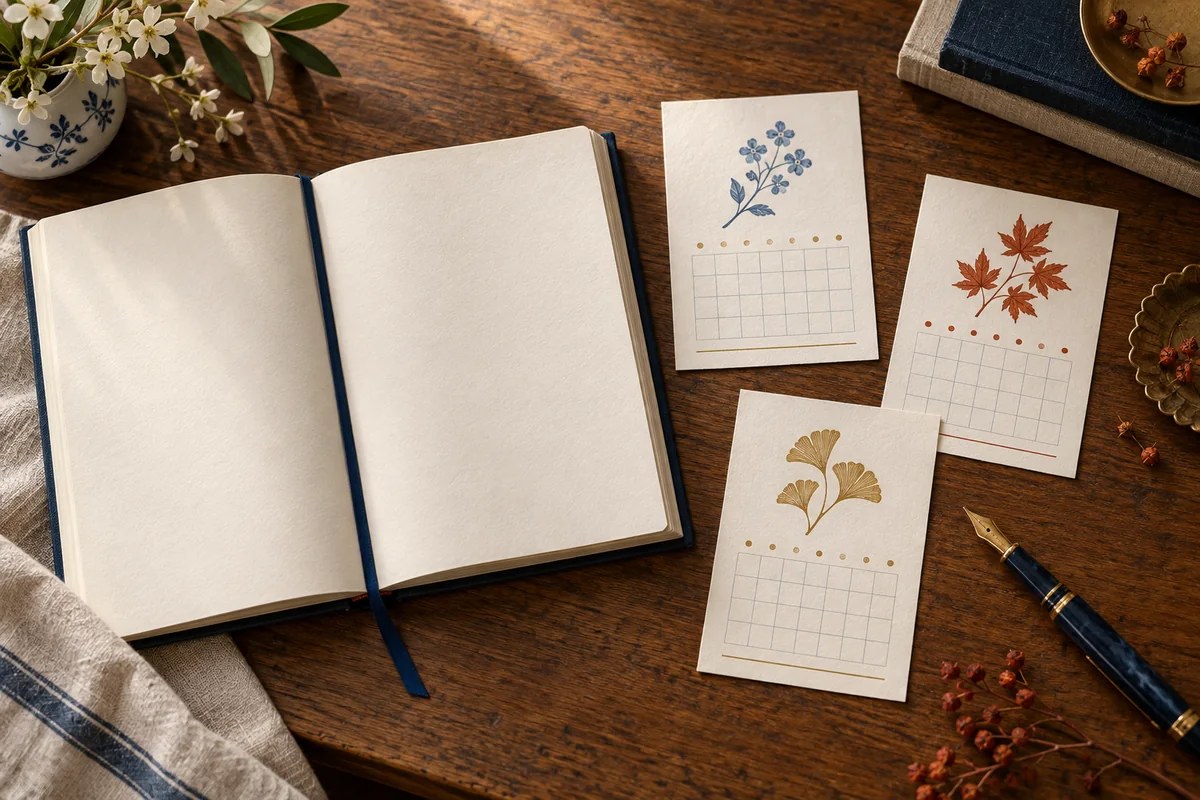
Use blank cards and a sample calendar page. You do not need a complete name-day dataset or a public chart of students’ dates.
- Notice the format. Show how one calendar can place names beside dates. Explain that a different community may use another calendar or a family tradition.
- Compare without ranking. Ask what a calendar can tell us and what it cannot. It may show an association; it cannot tell us whether a person celebrates or how they want to mark the day.
- Make a name card. Students may write a name they choose, draw a symbol for a day they enjoy, or create a fictional example. No one needs to disclose a family date.
- Share by choice. Invite students to describe their card, pair-share, or pass. Model a follow-up such as “Is that a family custom, a calendar date, or your own idea?”
- Close with a distinction. A birthday follows a person’s birth date; a name day, where used, follows an association in a calendar or tradition. People may celebrate one, both or neither.
The activity works as a short discussion, a language lesson about names and greetings, or a writing prompt. For younger students, use drawing and oral examples. Older groups can compare two calendar formats and note what extra context a reader needs before assuming that a date applies to a person.
Keep participation genuinely optional
Students may not celebrate name days, may not know whether their family does, or may prefer not to discuss personal or religious practice. Give everyone a parallel way to participate: use a fictional name, create a card for a character, compare the sample calendars, or simply observe.
Avoid public birthday-style lists that imply every name has one obvious date. Names may be missing from a list, represented differently across languages, or linked to more than one date. A blank space is not a deficiency to fill by guessing; it can open a conversation about how lists are made and whose naming practices they include.
Treat food and gifts as optional extensions, not the activity’s definition. A card, drawing or comparison can do the learning work without asking families to buy supplies or send treats. If a school activity includes religious observance, follow the guidance and rules that apply to that school and community; this lesson focuses on learning about customs, not conducting a rite.
Questions that build curiosity without putting a child on display
Use questions about the material rather than demanding a personal story:
- What does this calendar tell us about the name and date?
- What information would we need before saying this is someone’s name day?
- Why might the same name appear in two calendars?
- How can we ask about a custom without assuming that everyone follows it?
- What can we do if a person does not want to celebrate?
These prompts teach students to separate a printed association from a person’s identity and preference. They also transfer to other classroom topics: names, holidays, language, food and family traditions all deserve curiosity without pressure.
If a student wants to celebrate in class
Let the student and family guide what they want to share. A greeting, a short explanation or a card may be enough. If the class wants to mark the occasion together, make the plan modest, accessible and consistent with ordinary classroom routines. Do not imply that other students owe a gift, food or public recognition.
For broader context, read our comparison of name-day customs and what a name day means. If a family wants to plan a celebration, our practical guide to celebrating starts with the calendar and the person’s preference.